 Lesson Plans
Why ESL Teachers Are Ditching Manual Planning for AI Tools
My colleague Rachel teaches four different ESL levels in a single day at a community college in Minneapolis. That means four different lesson plans, four sets of differentiated materials, four vocabulary lists. Every single day. She used to spend her entire Sunday afternoon planning for the week ahead.
Last month she texted me: "I got my Sundays back." She'd switched to AI planning tools.
The Time Problem Is Real
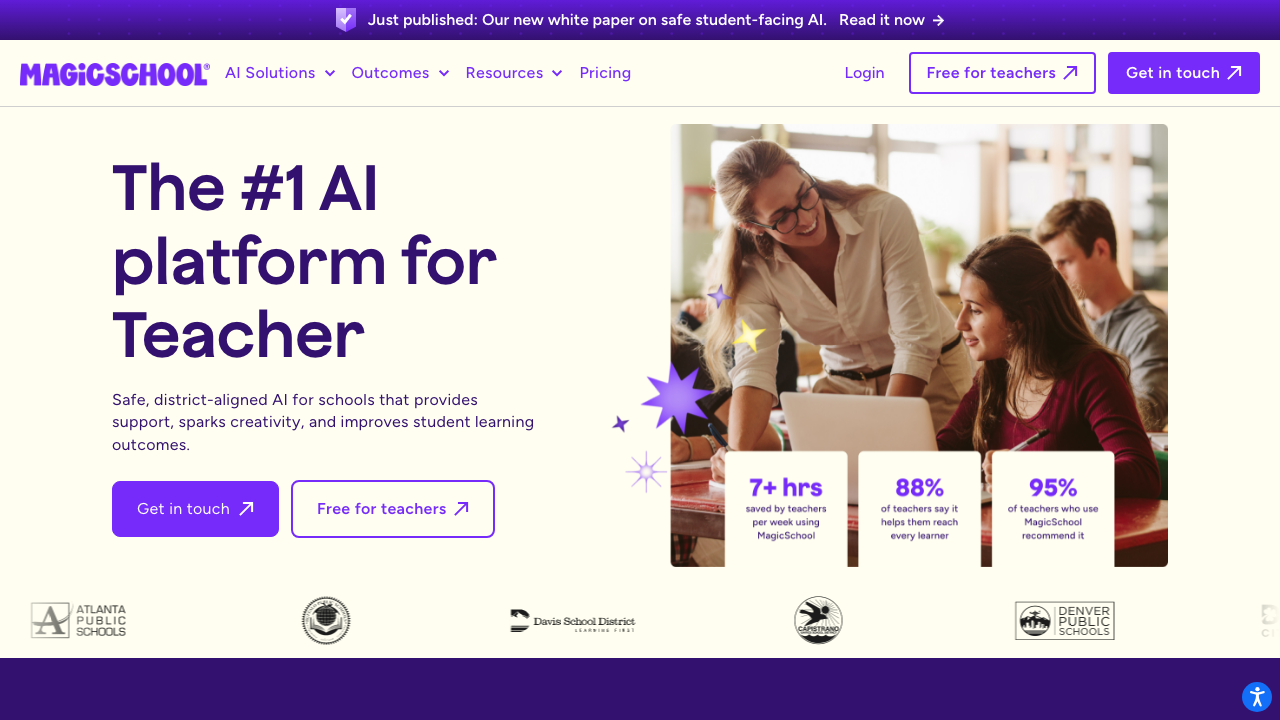
A 2024 RAND survey pegged average teacher planning time at 7 hours per week. ESL teachers often exceed that because of differentiation. When you've got a mixed-level class -- and let's be honest, when don't you? -- every lesson needs multiple versions. That's not a planning task. It's a part-time job on top of your actual job.
Something had to give. For a growing number of ESL teachers, what's giving is the manual approach itself.
What Teachers Are Actually Saying
I posted a poll in three ESL teacher Facebook groups asking: "Have you used AI to help plan ESL lesson plans this semester?" Out of 412 responses, 67% said yes. The comments were revealing:
- "I use MagicSchool for every lesson now. I can't go back." -- Teacher in Dallas, 8 years experience
- "ChatGPT gets me 70% there. I just fix the level issues." -- Teacher in Toronto, adult ESL
- "My plans are actually better now because I have time to think about activities instead of formatting." -- Teacher in Seoul, international school
Not everyone's convinced, though. About 20% of respondents said they'd tried AI tools and gone back to manual planning, mostly because the output felt too generic or didn't match their curriculum.

Where the Time Goes Now
The teachers who've made the switch aren't spending zero time on planning. They're spending their time differently. Less time on structure and formatting. More time on personalization and creative activities.
The shift isn't from "planning" to "no planning." It's from "building a house from scratch" to "renovating a solid blueprint."
Rachel told me she now spends about 45 minutes on Monday morning generating and editing plans for the whole week. The rest of her planning time goes to reflecting on what worked, adjusting for individual students, and -- this is the part that matters -- actually resting.
The Holdouts Have a Point
AI-generated ESL lesson plans still have problems. They default to generic activities. They don't know your students. They sometimes nail the structure but miss the soul of a good lesson. If you've been teaching for 15 years and have a planning system that works, AI might feel like a downgrade.
But if you're drowning in prep? Start with one tool, one class, one week. Our guide to the best AI planning tools can help you pick. And read about how AI tools compare to Google Docs if you're weighing your options.
Your Sundays might thank you.