 Lesson Plans
How AI Is Changing the Way ESL Teachers Plan Their Lessons
Two years ago, "AI for ESL teachers" meant a voice recognition app that couldn't understand Korean accents. Now it means generating a full week of differentiated ESL lesson plans before your morning coffee gets cold. The shift happened fast.
But not everything about AI in ESL teaching planning is as revolutionary as the marketing suggests. Some of it is genuinely useful. Some of it is noise. Here's what I've seen from the trenches.
The Numbers Tell a Clear Story
A 2024 EdWeek Research Center survey found that teachers who use AI for planning report spending 40% less time on prep. For ESL teachers -- who typically plan more than subject-area teachers because of differentiation needs -- that translates to roughly 3 hours saved per week.
Three hours. That's a yoga class, or a grading session, or just sitting on the couch without a laptop. It matters.
Three Ways AI Actually Helps ESL Planning
1. Generating First Drafts
The biggest time sink in ESL teaching plan creation isn't the creative part -- it's the structural scaffolding. Writing objectives, sequencing activities, formatting handouts. AI handles this in seconds. You get a draft that's 70-80% there, and your job becomes editing rather than building from nothing.
2. Differentiating by Level
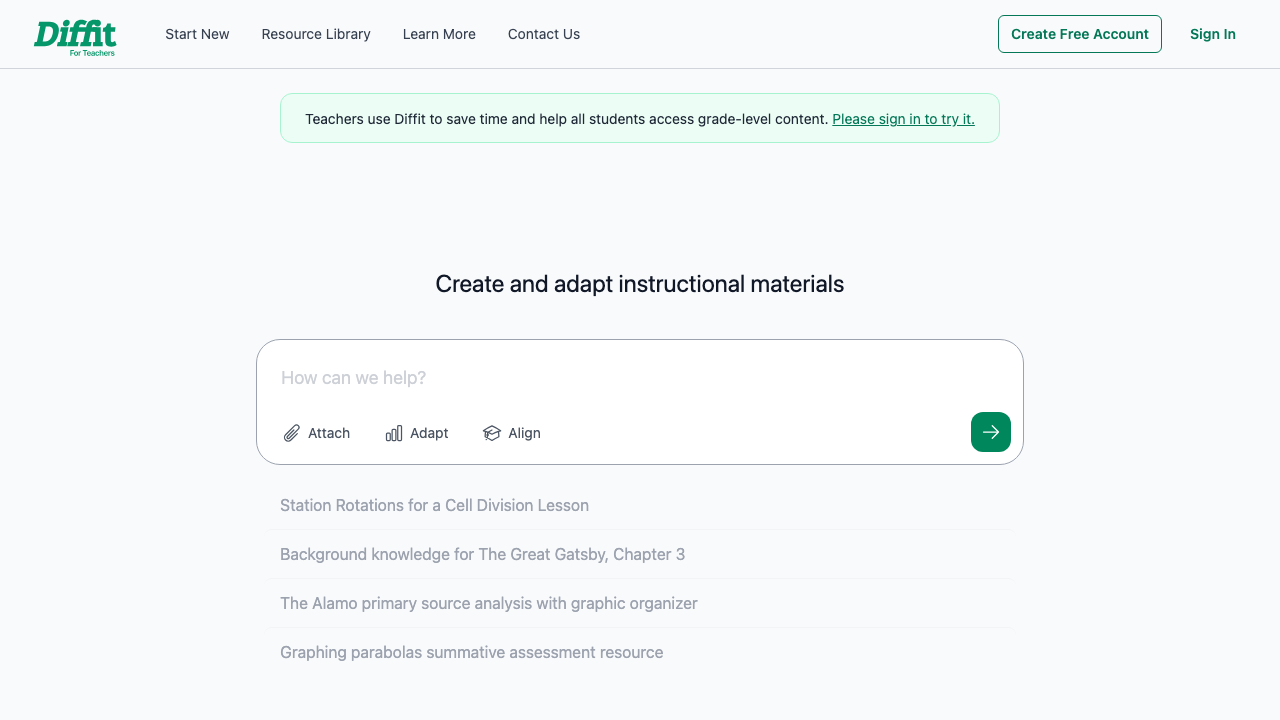
In a mixed-level ESL class (which is most of them), you need the same lesson at multiple difficulty levels. Tools like Diffit can take one text and generate three versions -- beginner, intermediate, advanced -- in under a minute. This used to take me 30+ minutes per lesson.
3. Creating Practice Materials
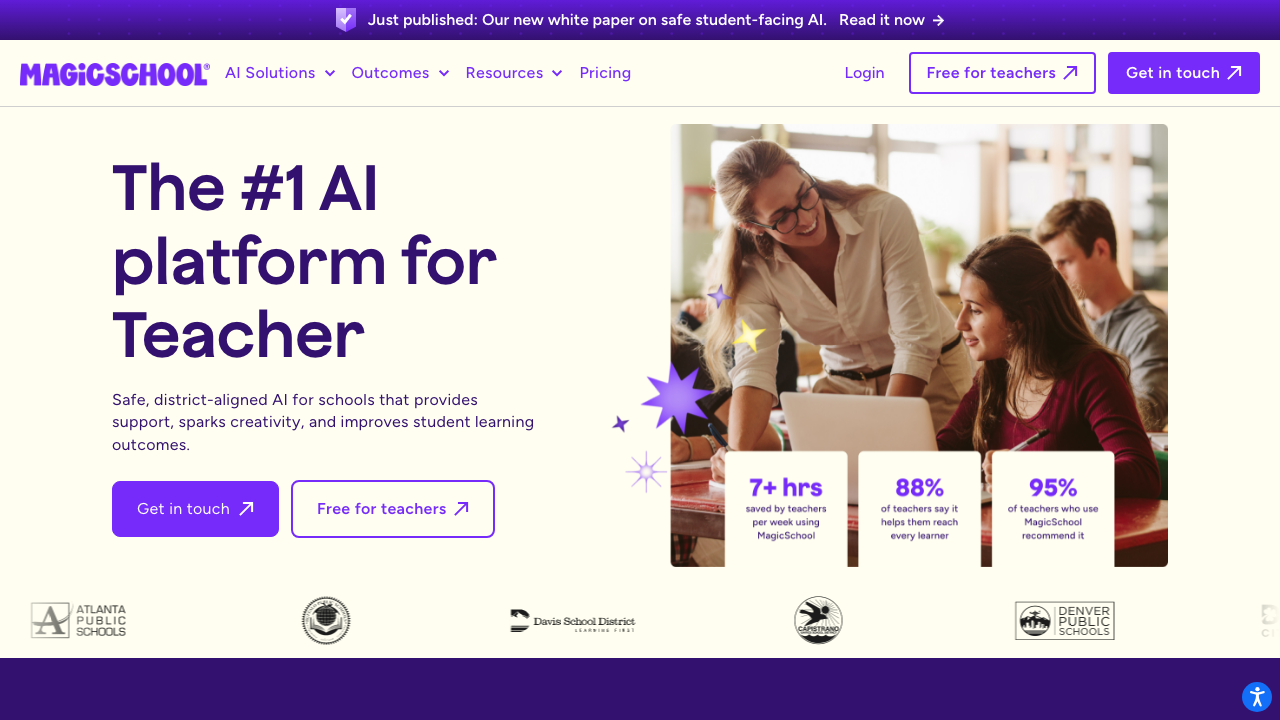
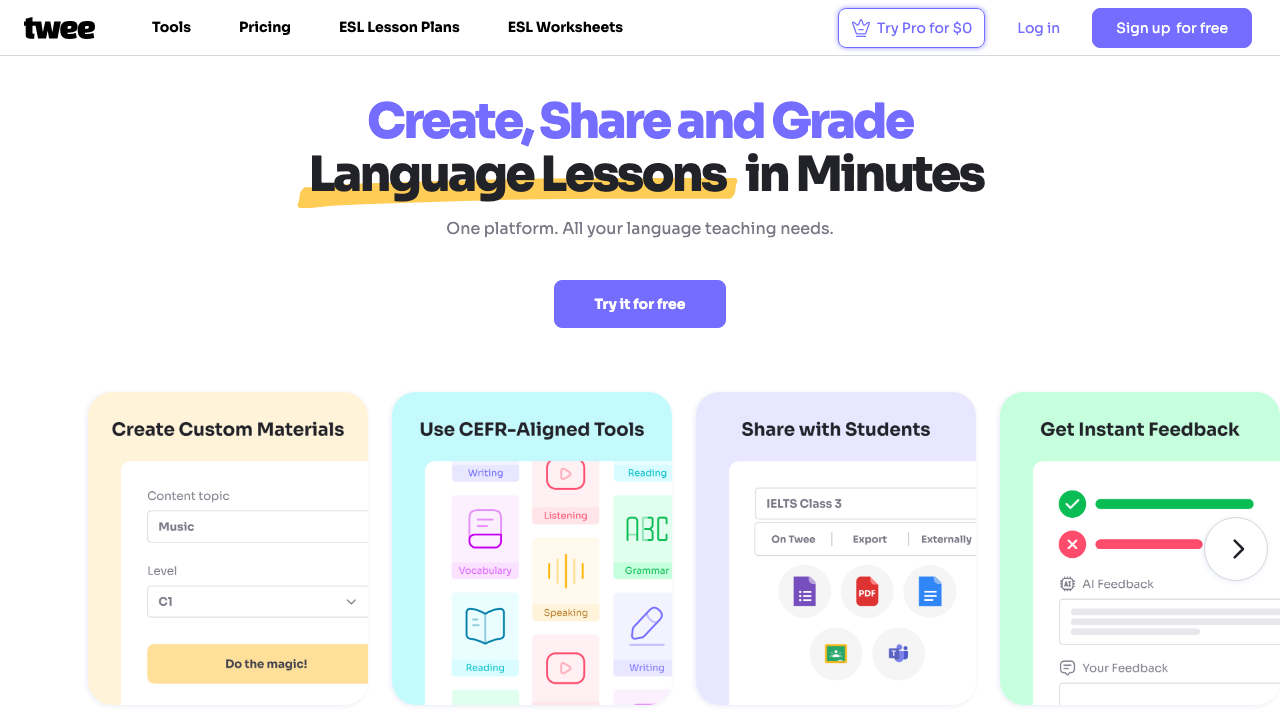
Dialogue generation, gap-fill exercises, vocabulary matching activities, discussion questions -- these are the repetitive building blocks of ESL lessons. AI generates them faster than you can type the topic into a search engine. Twee and MagicSchool are particularly strong here.
What AI Still Can't Do
It can't read your classroom. It doesn't know that Ahmed shuts down after 20 minutes, that your Tuesday class is tired from PE, or that half your students are fasting during Ramadan. Context is still entirely human work.
AI is your prep cook, not your head chef. It chops the vegetables and measures the ingredients. You still decide what to cook and how it should taste.
The Hype vs. Reality Gap
Some claims don't hold up. "AI will replace lesson planning entirely" -- no, it won't. "AI-generated plans are ready to use without editing" -- they're not. "Students can't tell the difference" -- they absolutely can when activities feel generic.
The teachers getting the most value from AI are the ones who treat it as a starting point, not a finished product. They generate, edit, personalize, and then teach. The planning step got shorter. The teaching step stayed human.
Where to Start
If you haven't tried AI for your ESL teaching plan yet, start this week. Pick one lesson, one tool, and give yourself 15 minutes. Our review of the best AI tools for ESL lesson plans can help you choose. And if you're planning for adult learners specifically, read about AI tools built for adult ESL.
The technology isn't perfect. But it's already better than spending your Sunday evening staring at a blank document.