 Games
GamesWordwall vs. Kahoot vs. Gimkit: Best ESL Game Tool for Teachers?
Every ESL teacher I know has a favorite game platform. And every one of them thinks the other options are inferior. So I ran all three -- Wordwall, Kahoot, and Gimkit -- with the same group of 18 intermediate ESL students in Dallas over three consecutive Fridays. Same vocabulary set. Same class time. Different platform each week.
Here's what happened.
The Quick Verdict
There's no single winner. Each tool does one thing better than the other two:
- Wordwall -- Best for variety of game formats and quick setup
- Kahoot -- Best for whole-class energy and competitive motivation
- Gimkit -- Best for sustained engagement and strategy-based learning
Now let me explain why.
Wordwall: The Swiss Army Knife
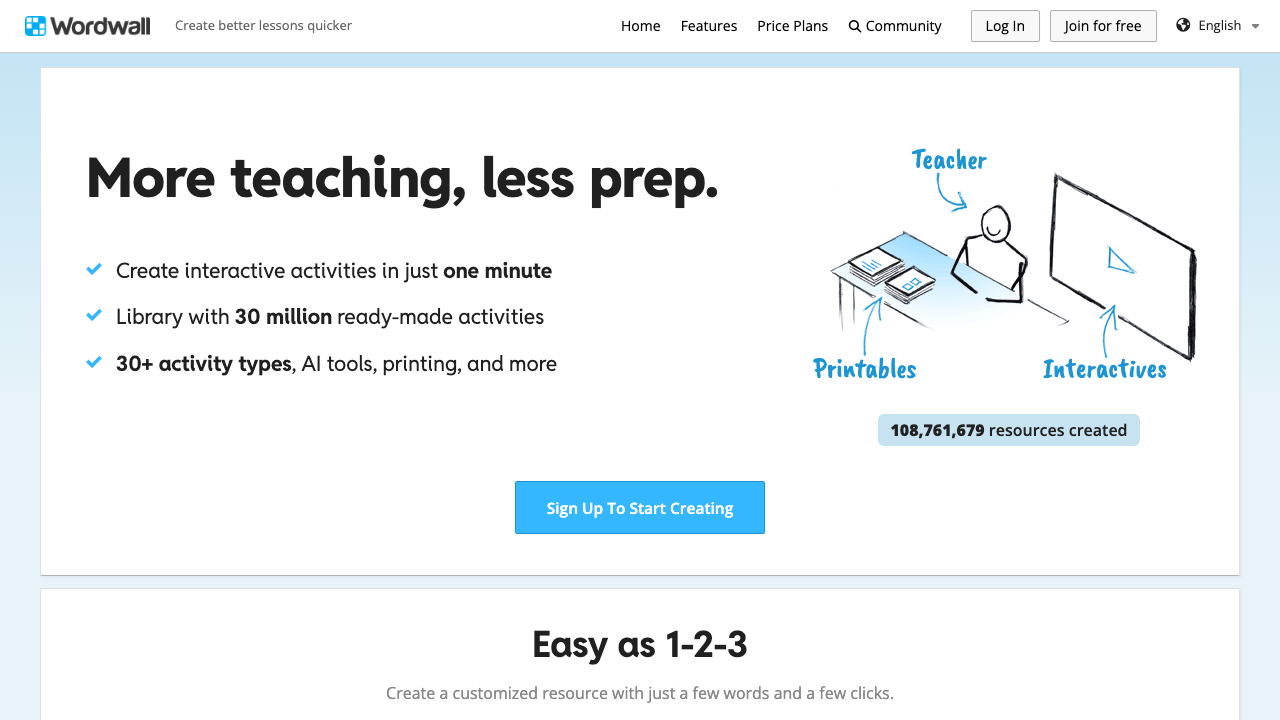
Wordwall converts a single word list into over a dozen different game types -- matching pairs, anagrams, whack-a-mole, spin the wheel, group sort. That flexibility is its biggest strength. I created one set of 15 vocabulary words and generated five completely different activities without retyping anything.
The downside? It's not as flashy. Students don't get avatars or leaderboards. The competitive element is quieter. My teens responded well enough, but they weren't leaning forward in their chairs the way they do with Kahoot or Gimkit.
Kahoot: The Energy Bomb
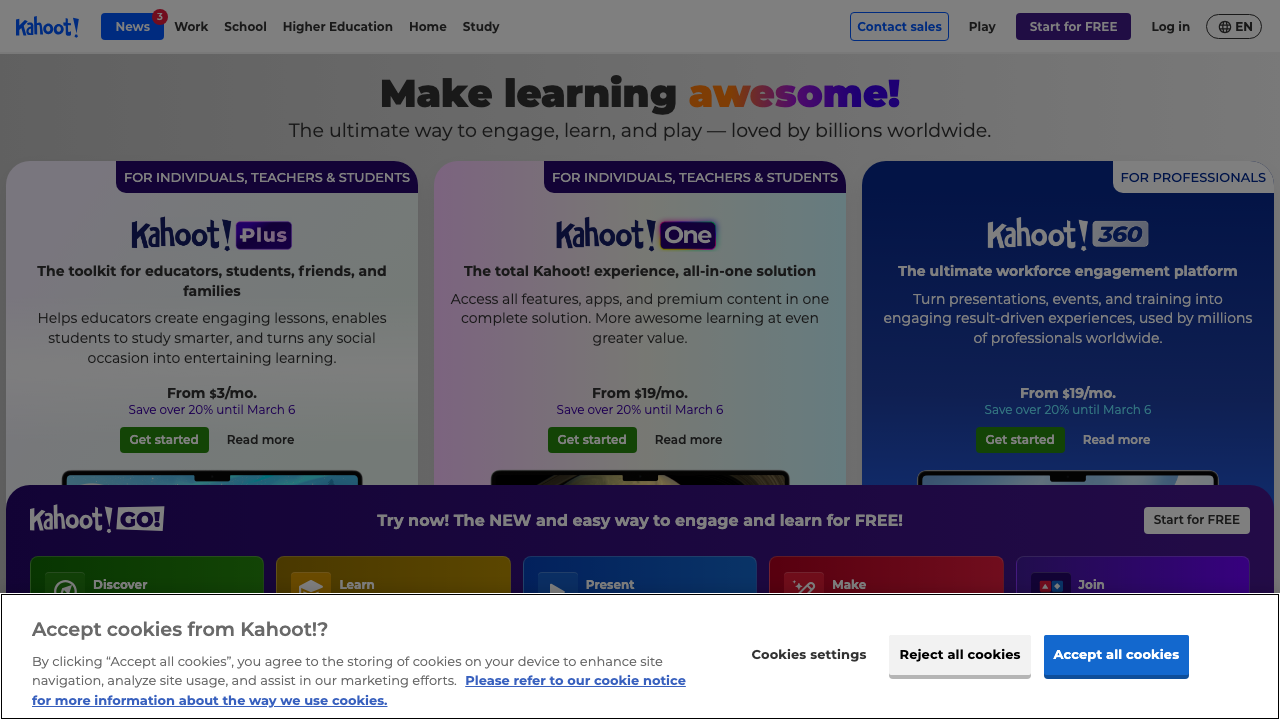
Nothing gets an ESL classroom louder than Kahoot. The countdown music alone gets students sitting up straighter. My Friday Kahoot session had kids shouting answers and groaning when they picked the wrong one. That kind of energy is genuinely hard to manufacture.
But Kahoot has a real weakness for ESL: the timer. When you've got three seconds left and you're still decoding the English in the question, panic doesn't help learning. I've started extending the timer to 30 seconds for reading-heavy questions and 20 seconds for vocabulary -- anything less punishes slower readers unfairly.
Gimkit: The Quiet Winner
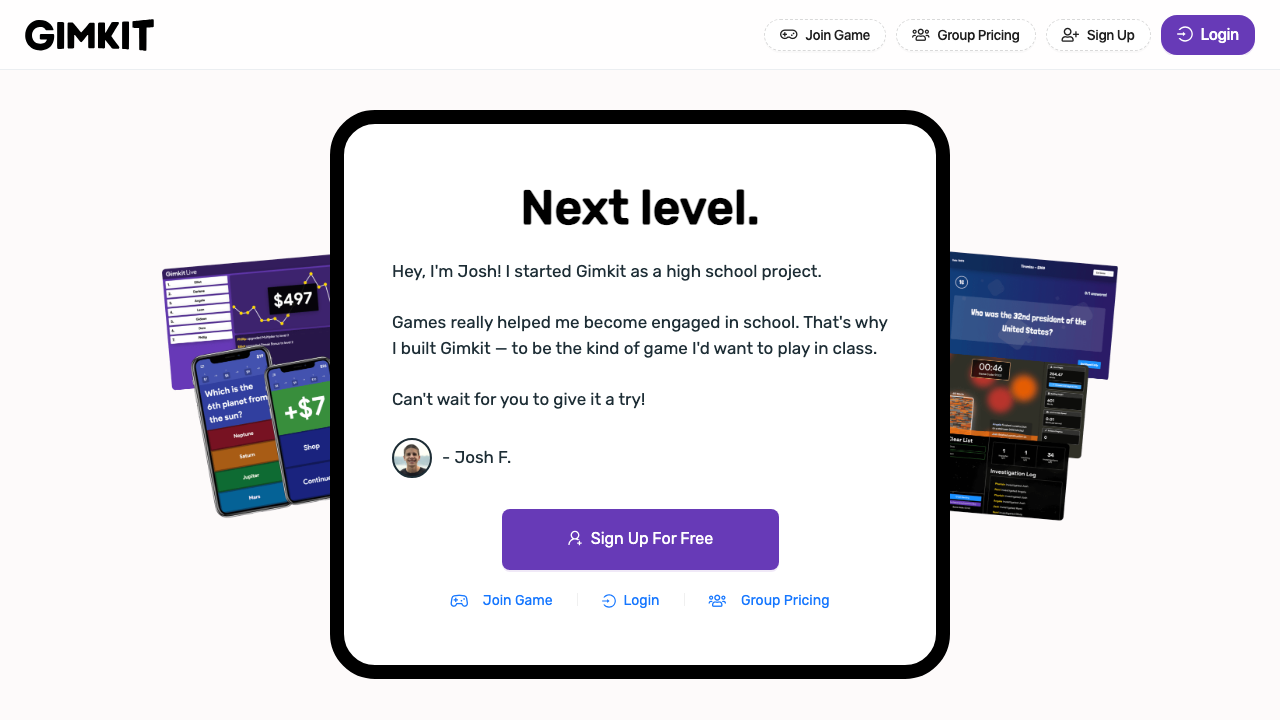
Gimkit surprised me. Students played longer, made fewer random guesses, and actually read the questions more carefully than with either of the other two. The in-game economy -- where correct answers earn currency you spend on upgrades -- creates a strategy layer that rewards sustained attention over speed.
It's also self-paced, which matters enormously in mixed-level ESL classes. My A2 students weren't racing against my B2 students. They were just playing their own game.
The catch: Gimkit's free tier limits how many games you can host per day. If you're running four ESL classes back-to-back, you'll hit the wall fast.
Which One Should You Pick?
Honestly? Use all three for different moments. Kahoot for the first five minutes when you need to wake everyone up. Wordwall for targeted vocabulary practice in the middle of a lesson. Gimkit for a longer review session on Fridays.
If you can only pick one, pick based on your students' age. Under 12? Kahoot's energy hits perfectly. Teens and adults? Gimkit's strategy layer keeps them engaged without feeling childish. Mixed classes where you need maximum device compatibility? Wordwall runs on anything.
And whichever platform you choose, you can use ChalkLab to generate the question content in seconds instead of typing it all manually.