 Activities
Tools That Turn ESL Activities Worksheets into Interactive Lessons
I have a filing cabinet in my apartment in Prague with roughly 400 printed ESL worksheets. Gap fills, matching exercises, reading comprehension passages -- years of material that I hand-created or downloaded from sites like BusyTeacher and ISL Collective. Good content. Terrible format for 2026.
These four tools take those static ESL activities worksheets and turn them into something students can interact with on any device. No redesign required.
1. Wordwall -- Fastest Worksheet-to-Game Conversion
Wordwall is absurdly simple. You type in your vocabulary pairs, sentence completions, or matching items, and it generates 18+ different game formats from the same content. A matching worksheet becomes a drag-and-drop game, a whack-a-mole challenge, or a spinning wheel activity.
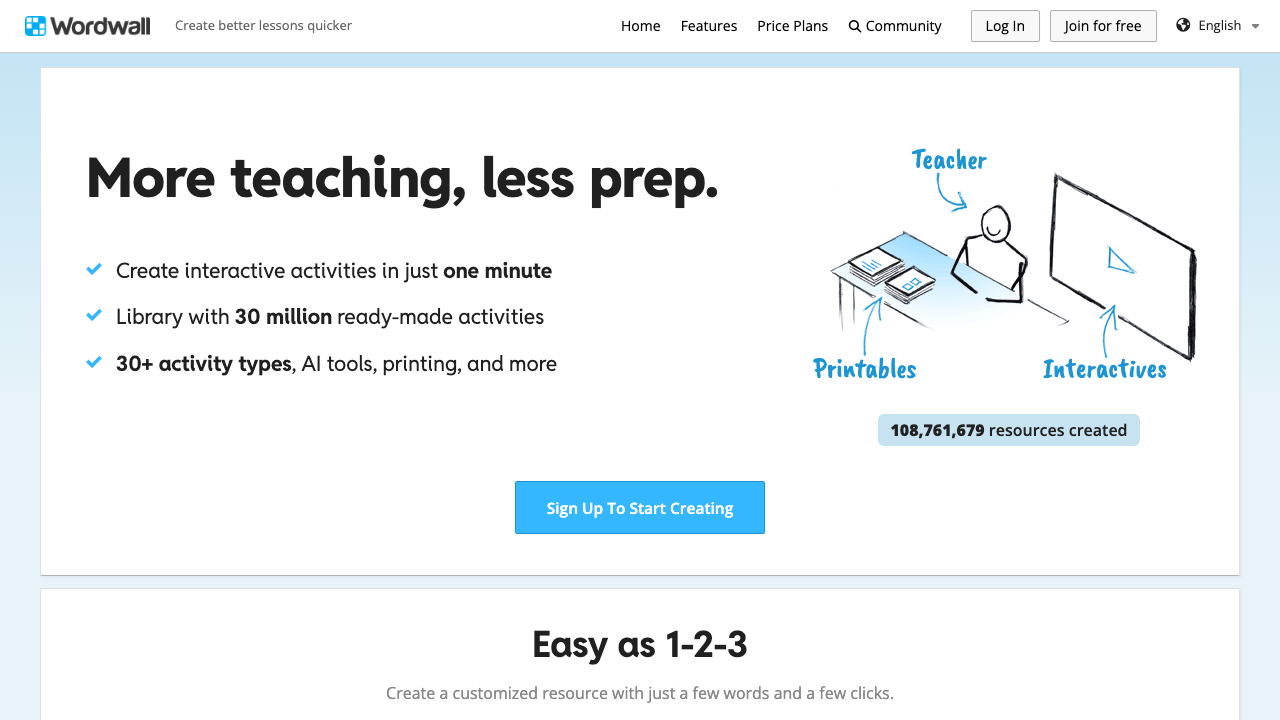
I took a past-tense irregular verbs worksheet I'd been using for five years and entered the base/past pairs into Wordwall. Took about four minutes. Now I've got the same content in game format, and my students in a B1 group actually ask to play it again. Nobody ever asked to do a paper worksheet again.
2. Kahoot! -- Turn Comprehension Questions into Competitions
If your worksheet has multiple-choice or true/false questions, Kahoot! is the obvious conversion tool. Take the questions from your reading comprehension worksheet, plug them into a Kahoot, and suddenly review day feels like a game show.
The competitive element changes everything. Students who'd rush through a paper worksheet to get it done first now actually think about their answers because points are at stake. I've seen adult learners in their 50s get genuinely animated over a grammar Kahoot.
3. Gimkit -- Worksheet Content with Built-In Motivation
Gimkit works like Kahoot but adds a virtual currency system. Students earn "money" for correct answers and spend it on in-game power-ups. It sounds gimmicky, but the result is students voluntarily answering the same vocabulary questions 30+ times in a single session.
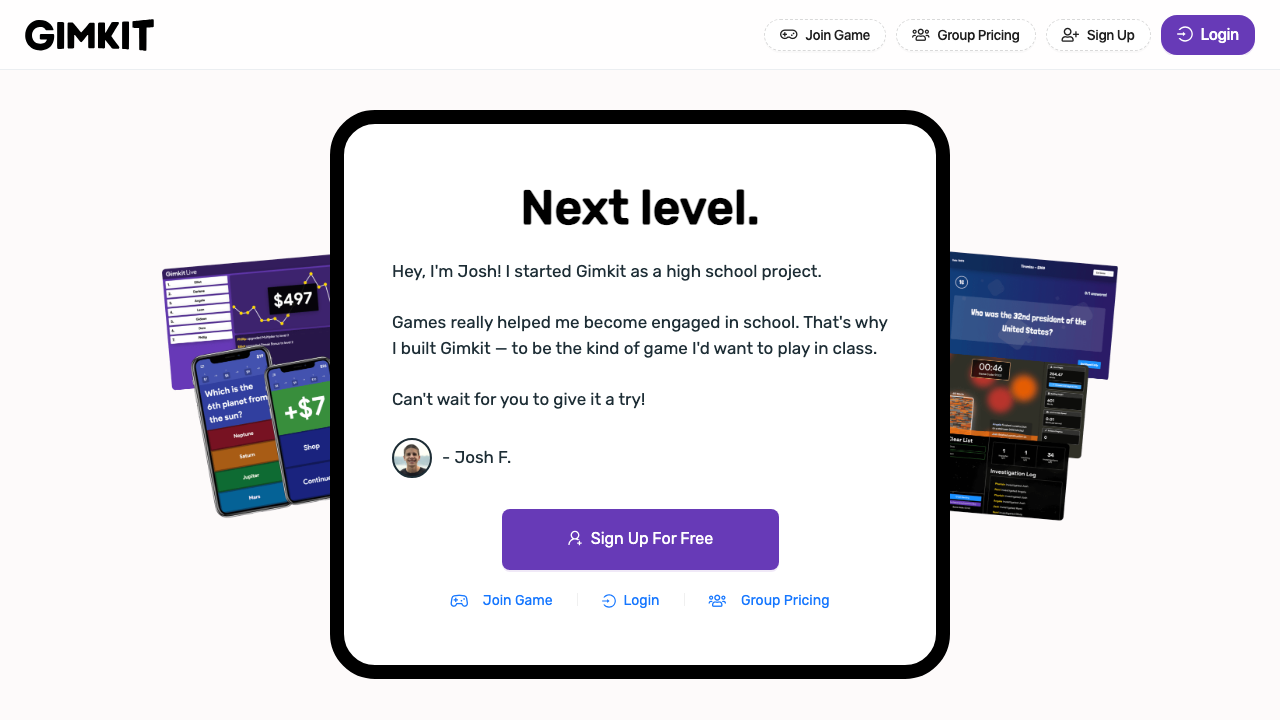
That repetition is what makes vocabulary stick. A paper worksheet gives you one exposure per question. Gimkit gives you dozens, all wrapped in a game students don't want to stop playing.
4. Blooket -- Best for Younger Learners
Blooket takes question sets and drops them into different game modes -- tower defense, battle royale, factory simulations. The game mechanics vary wildly, which keeps the same content feeling fresh across multiple sessions.
It's particularly good for kids and teens. My elementary ESL students in Taipei would riot if I took away their Friday Blooket time. And every single one of those games was built from content that started as a boring vocabulary worksheet.
The Honest Limitations
These tools work best with discrete-item worksheets: vocabulary matching, grammar drills, comprehension questions. They don't work well for open-ended writing prompts, essay-style responses, or complex reading passages. For those, you'll still need a different approach.
Free tiers are limited. Wordwall gives you five free activities. Kahoot's free version limits question types. Gimkit and Blooket have classroom limits. Budget $5-10/month for the one that fits your teaching style best.
The worksheet content you already have is fine. The delivery format is what needs updating.
For creating new worksheets from scratch, check out tools for creating ESL activity sheets and AI tools for generating ESL activity ideas.