 Lesson Plans
How ESL Teachers Are Using ChatGPT to Plan Lessons Faster
A teacher in my online PLN posted her ChatGPT prompt for generating ESL lesson plans last March. Within a week, 200+ people had saved it. The demand was obvious: teachers are tired of spending Sunday nights building plans from scratch, and ChatGPT feels like the fastest shortcut.
It is fast. It's also inconsistent. Here's what actually works -- and what doesn't.
What Teachers Are Prompting
The most common approach I've seen is something like: "Create an ESL lesson plan for intermediate students on the topic of food and restaurants. 45 minutes. Include a warm-up, vocabulary section, speaking activity, and assessment."
ChatGPT produces a plan instantly. It looks professional. The structure is logical. And about 60% of the time, the output is genuinely usable with light editing.
The other 40%? You get vocabulary that's too advanced, activities that don't match the level, or timing that's wildly off. One teacher in my group got a "15-minute warm-up" that was actually a full lesson by itself.
The Prompts That Get Better Results
Specificity is everything. Vague prompts produce vague plans. Here's what works:
- Specify CEFR level: "B1 intermediate" is better than just "intermediate"
- State the context: "Adult evening class, 12 students, mixed L1 backgrounds"
- Request specific activity types: "Include a jigsaw reading and an information gap activity"
- Set vocabulary limits: "Pre-teach no more than 8 new vocabulary items"
- Ask for timing: "Include estimated minutes for each stage"
The quality of your ChatGPT lesson plan is directly proportional to the quality of your prompt. Garbage in, garbage out -- just faster than before.
Where ChatGPT Falls Short for ESL Lesson Plans
Three recurring problems:
No level calibration. ChatGPT doesn't truly understand CEFR levels. It approximates. A plan labeled "A2" might contain B1 structures because the model doesn't have a built-in grammar syllabus.
No curriculum awareness. Each prompt is a fresh start. It doesn't know what you taught last week or what's coming next. There's no spiraling, no review, no progression.
Generic activities. "Discuss in pairs" appears in almost every output. The activities lack the creativity you'd find from a teacher who's tried 50 different speaking formats and knows which ones actually generate real talk.
Purpose-Built Tools Do Some Things Better
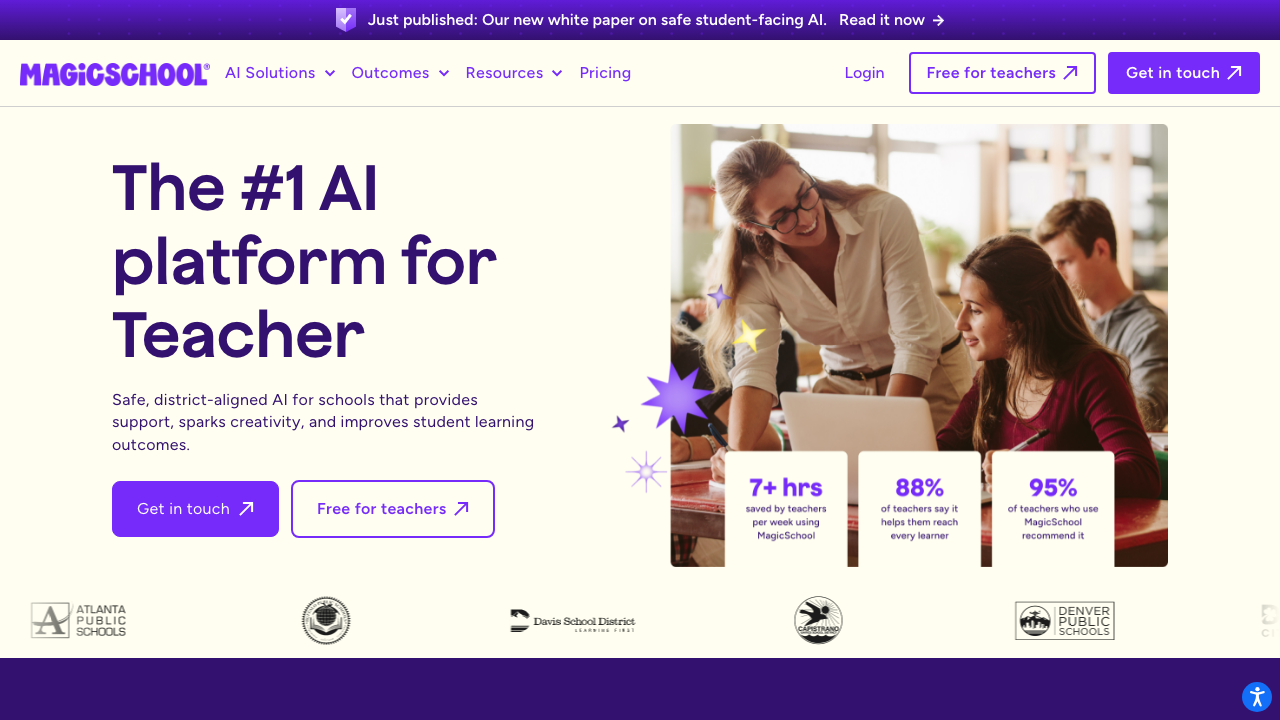
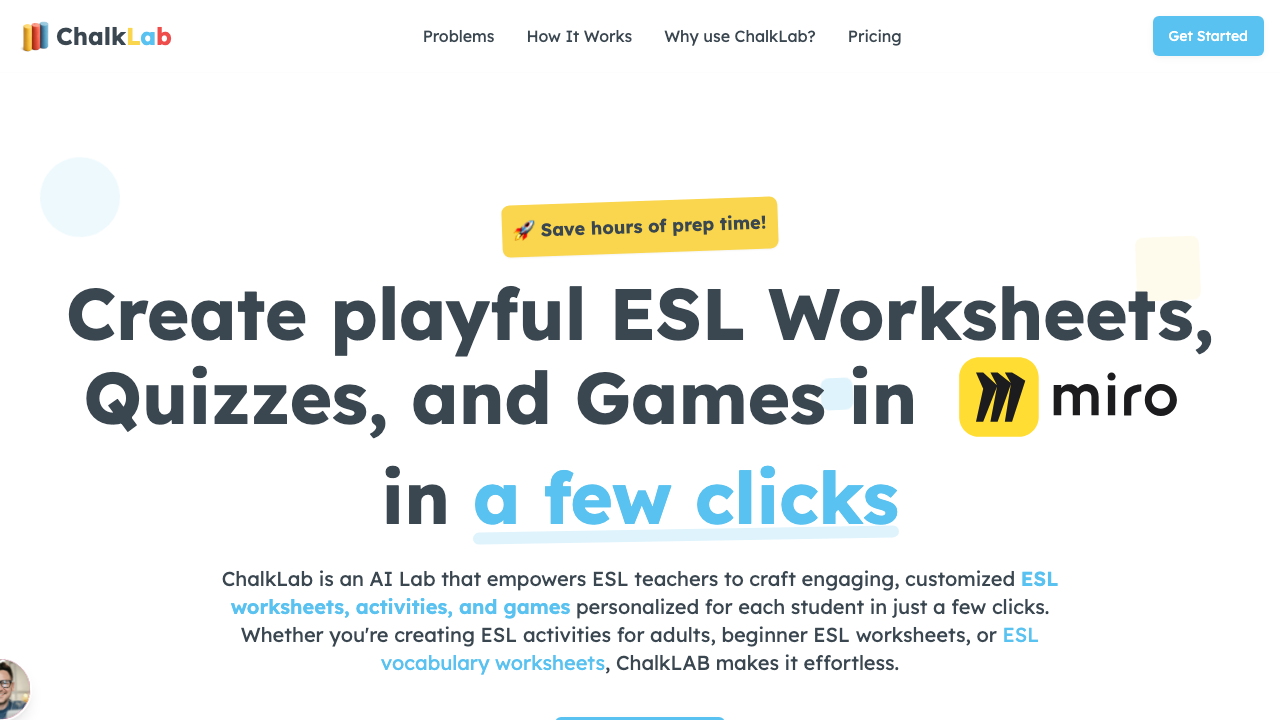
Tools like MagicSchool AI and Chalk.AI were built specifically for teachers. They understand level progression, include curriculum alignment options, and generate activities that reflect actual classroom practice. ChatGPT is a generalist; these tools are specialists.
That said, ChatGPT is free, it's flexible, and it's already on your phone. For a quick brainstorm or a rough draft, it's still hard to beat.
My Recommendation
Use ChatGPT as your idea generator, not your final product. Get the skeleton of your ESL lesson plan from ChatGPT, then flesh it out with activities from tools built for language teaching. The combination is faster than either approach alone -- and the results are better than what most of us were producing manually. If you want to compare all your options, check our lesson plan structure guide and top ESL resource websites.