 Worksheets
How to Use AI to Instantly Create ESL Reading Comprehension Worksheets
Writing a good reading comprehension worksheet from scratch takes me about 45 minutes. Finding the right passage, simplifying the language, writing pre-reading vocabulary, drafting comprehension questions at different cognitive levels, creating an answer key. With AI, I've gotten that down to about 5 minutes -- including the review step.
The Prompt That Gets the Best Results
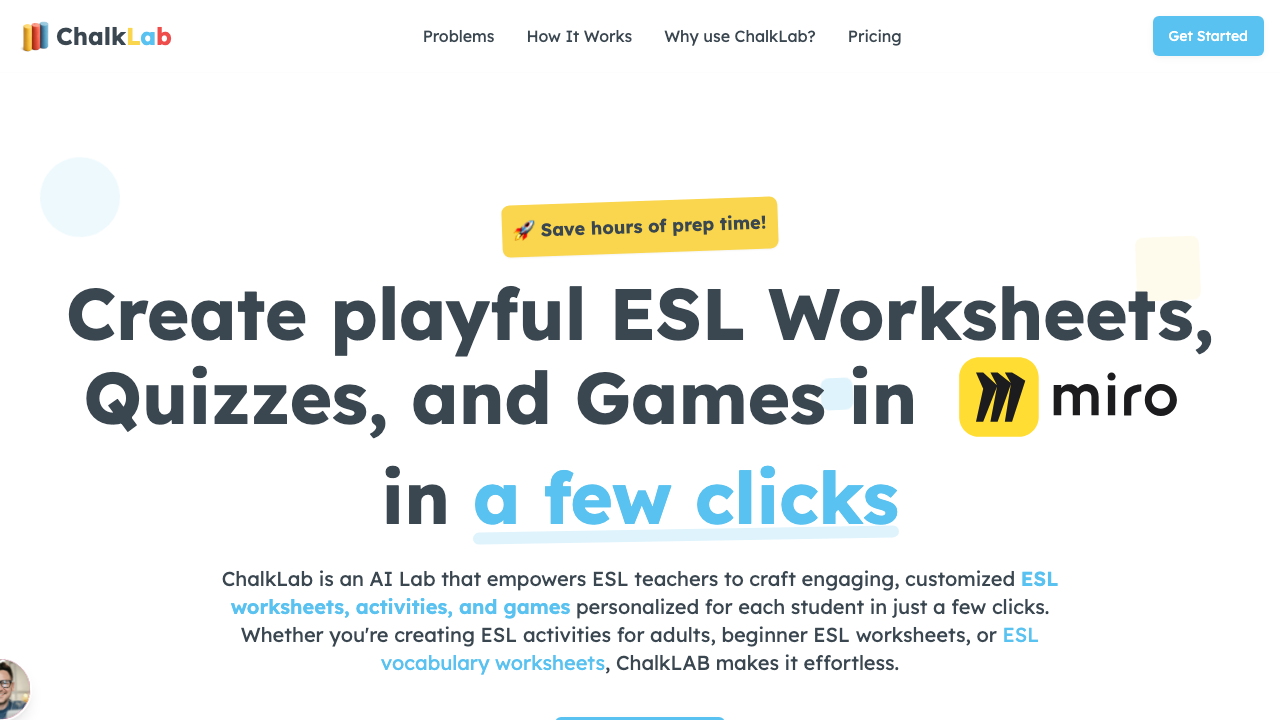
Here's the template I use with ChalkLab:
"Create an ESL reading comprehension worksheet at [level]. Topic: [topic]. Include: a 200-word reading passage, 5 pre-reading vocabulary words with simple definitions, 6 comprehension questions (2 literal, 2 inferential, 2 vocabulary-in-context), and a writing prompt related to the topic."
That structure -- vocabulary first, passage, questions, extension -- mirrors what reading researchers recommend. The vocabulary preview activates prior knowledge. The mixed question types test different comprehension skills. The writing prompt pushes students beyond the text.
Using Diffit for Article-Based Worksheets
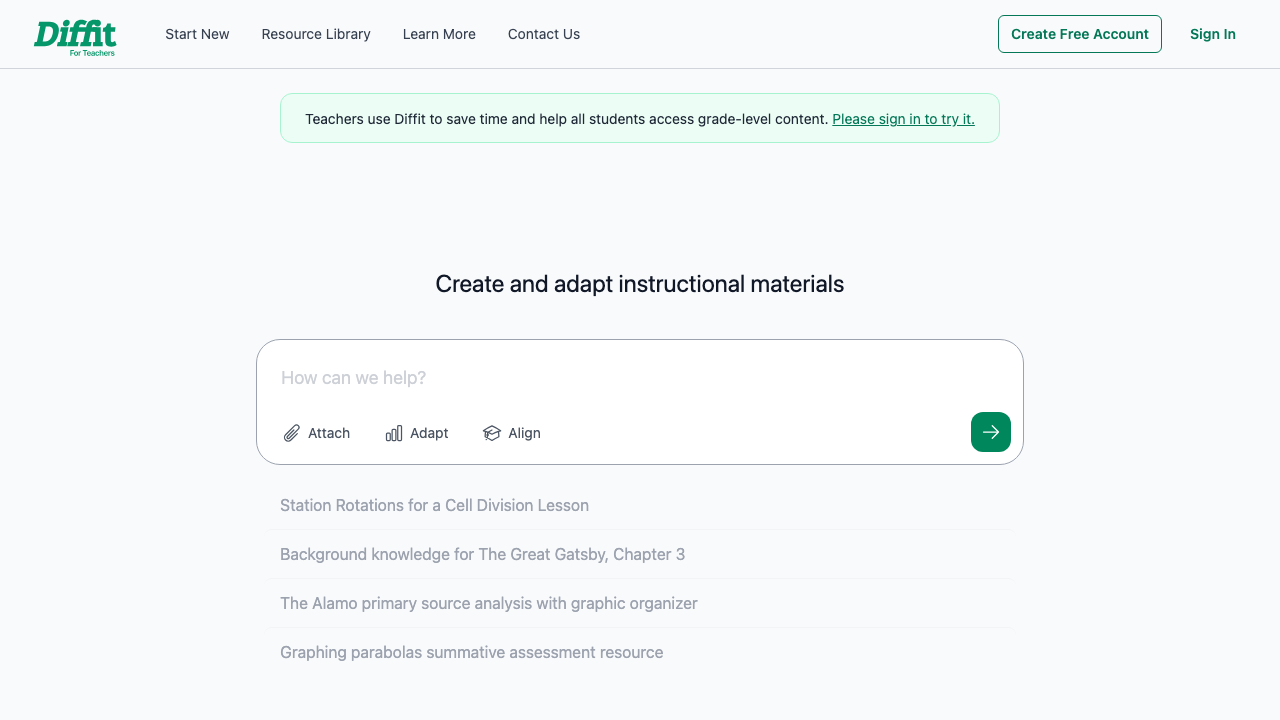
When I want a reading worksheet based on a real article, Diffit is the better choice. Paste the URL, select the target reading level, and Diffit rewrites the article at that level while preserving the key information. The comprehension questions it generates are solid and the vocabulary highlights are well-chosen.
Editing Tips for AI-Generated Reading Worksheets
AI-generated reading passages are functional but sometimes bland. Here's what I always check and fix:
- Check the vocabulary level. AI occasionally drops in a C1 word in a B1 passage. Scan for anything your students wouldn't know and replace it.
- Verify factual accuracy. If the passage includes statistics or historical claims, double-check them. AI confabulates sometimes.
- Tighten the questions. Avoid questions where the answer is a direct copy-paste from the text. Rephrase so students have to process the information.
- Add line numbers. This helps when you discuss answers as a class. "Look at line 7" is faster than "Find the part where it talks about..."
One Passage, Three Levels
My favorite trick: generate the same topic at three different CEFR levels. I teach a multi-level class on Thursdays in Charlotte -- A2, B1, and B2 students in the same room. Same topic (say, "public libraries"), three different reading levels. Everyone discusses the same theme but at their own reading level. Diffit makes this ridiculously easy. For more on reading worksheet tools, see my full comparison.